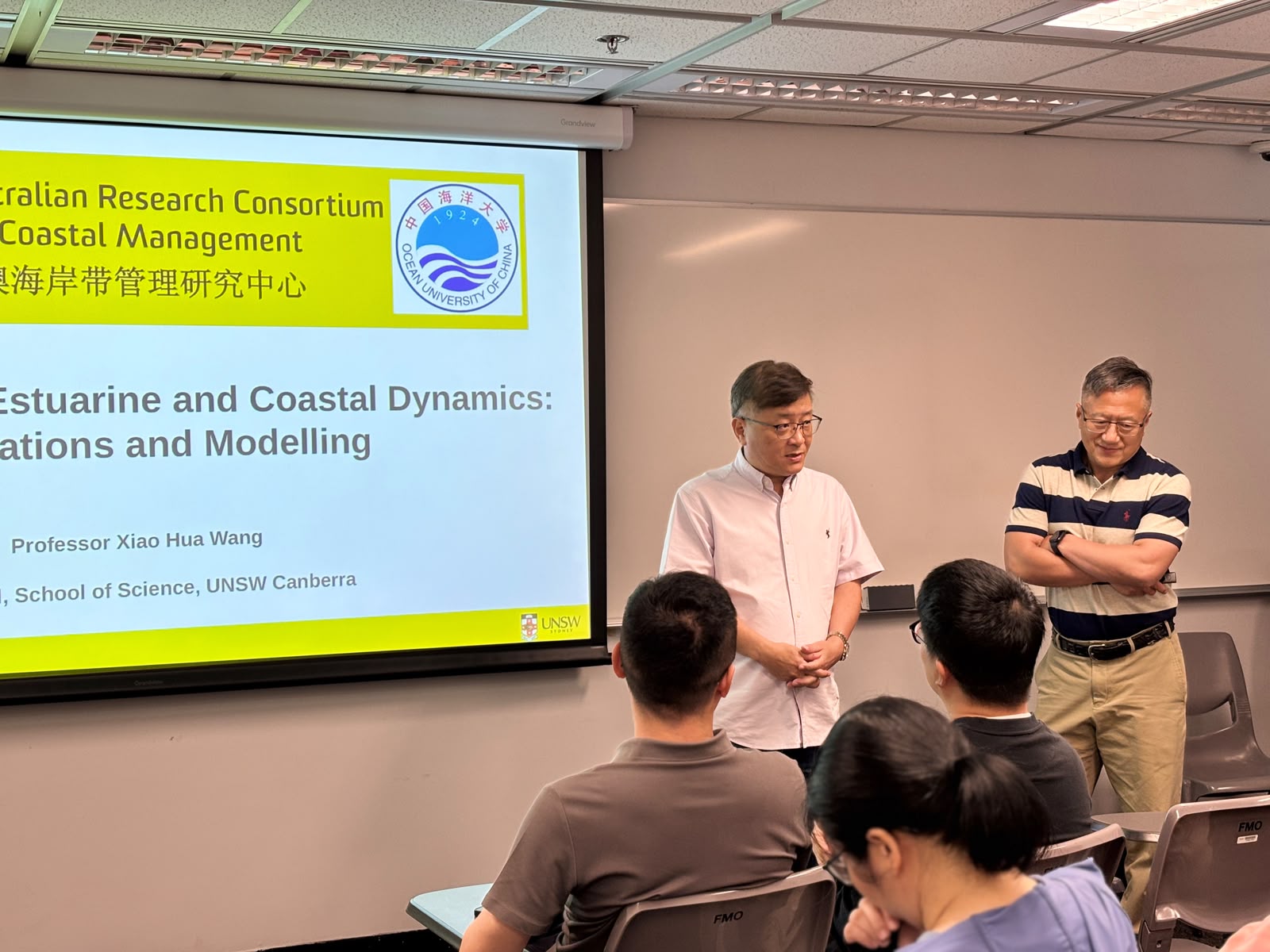


On October 6, 2026, Earth-HK hosted a seminar titled “Current Trends in Estuarine and Coastal Dynamics: Observations and Modelling” at HKUST, delivered by Prof. Xiao Hua Wang, Co-leader of the Sino-Australian Research Consortium for Coastal Management at the University of New South Wales, Canberra, Australia. Prof. Wang is a leading scholar in coastal oceanography, sediment dynamics, and coastal management, with extensive experience in research, teaching, and postgraduate supervision.
The seminar focused on the current trends and developments in the observation and modelling of estuarine and coastal ocean systems. Coastal zones are among the most dynamic and vulnerable environments on Earth, supporting diverse ecosystems across marine, estuarine, and freshwater systems while facing growing pressure from global warming and intensified human activities. Prof. Wang highlighted the importance of understanding these changing marine environments in order to restore, protect, and sustainably manage coastal habitats and ecosystems.
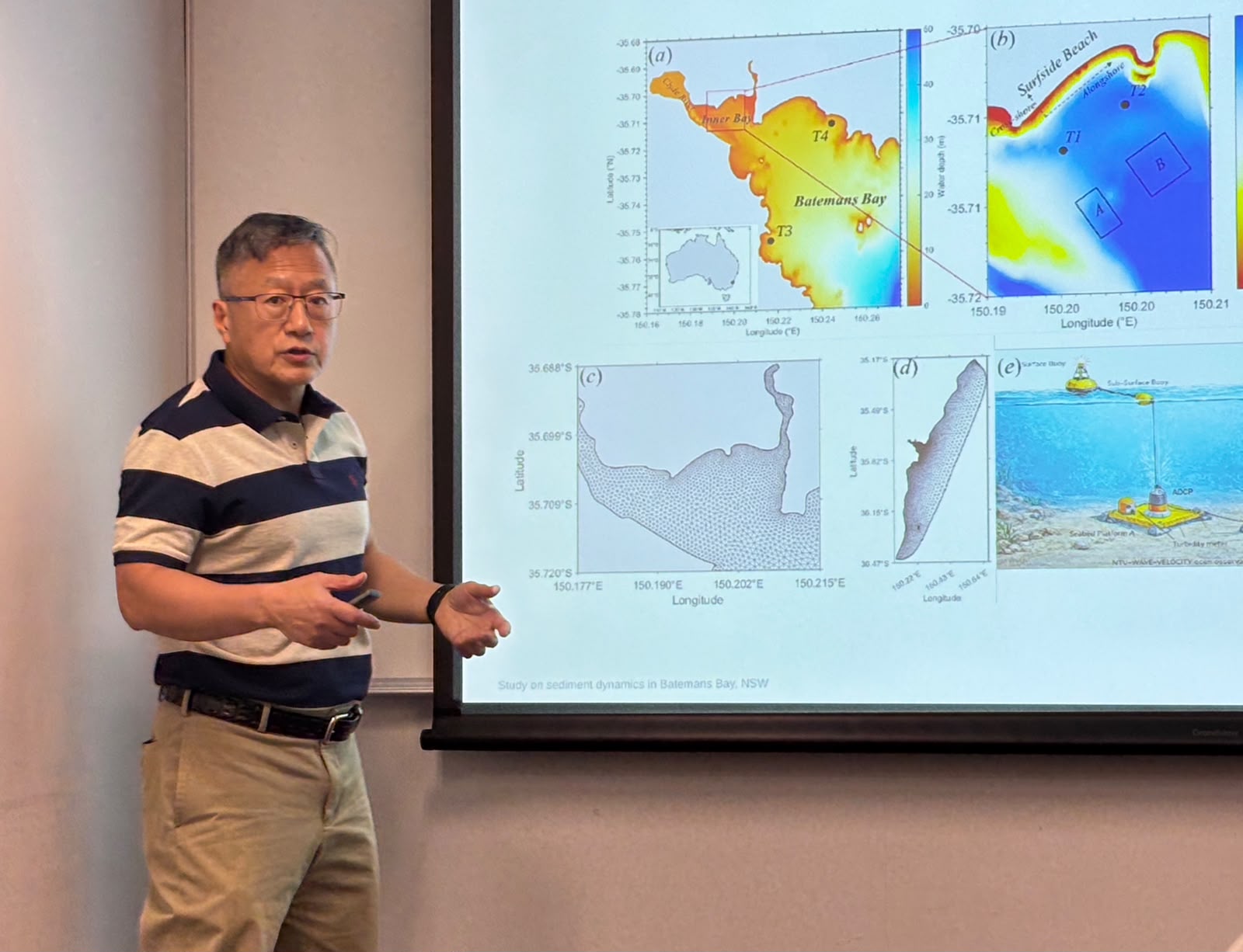
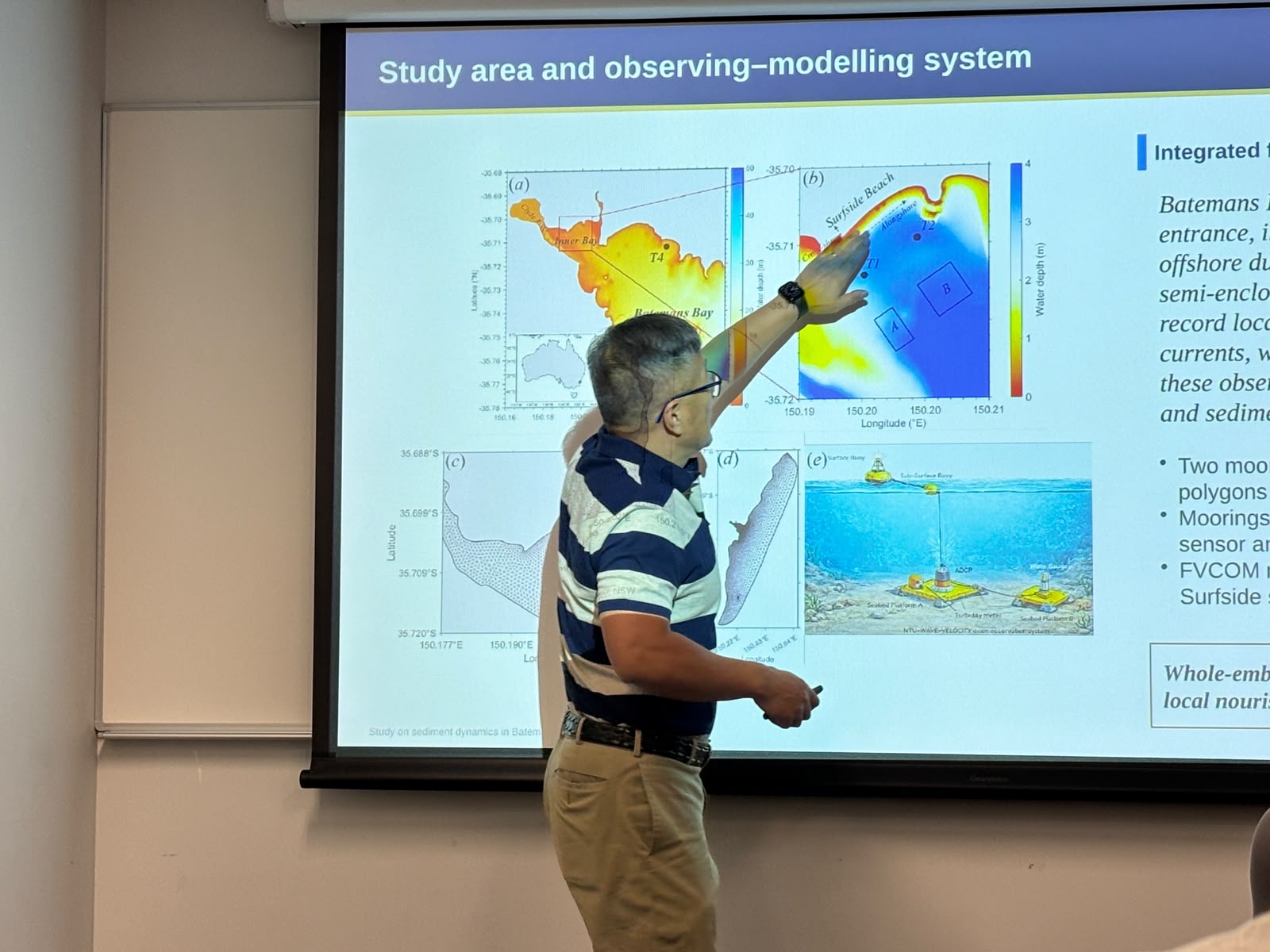
In his talk, Prof. Wang discussed key advances in observing and modelling estuaries and coastal oceans, with a particular focus on sediment transport dynamics and hydrodynamic processes. He shared insights into how field observations, satellite remote sensing, and numerical modelling can be integrated to better understand coastal system responses to climate change and anthropogenic forcing. The seminar provided participants with a deeper understanding of how scientific approaches can support coastal resilience and evidence-based coastal management.
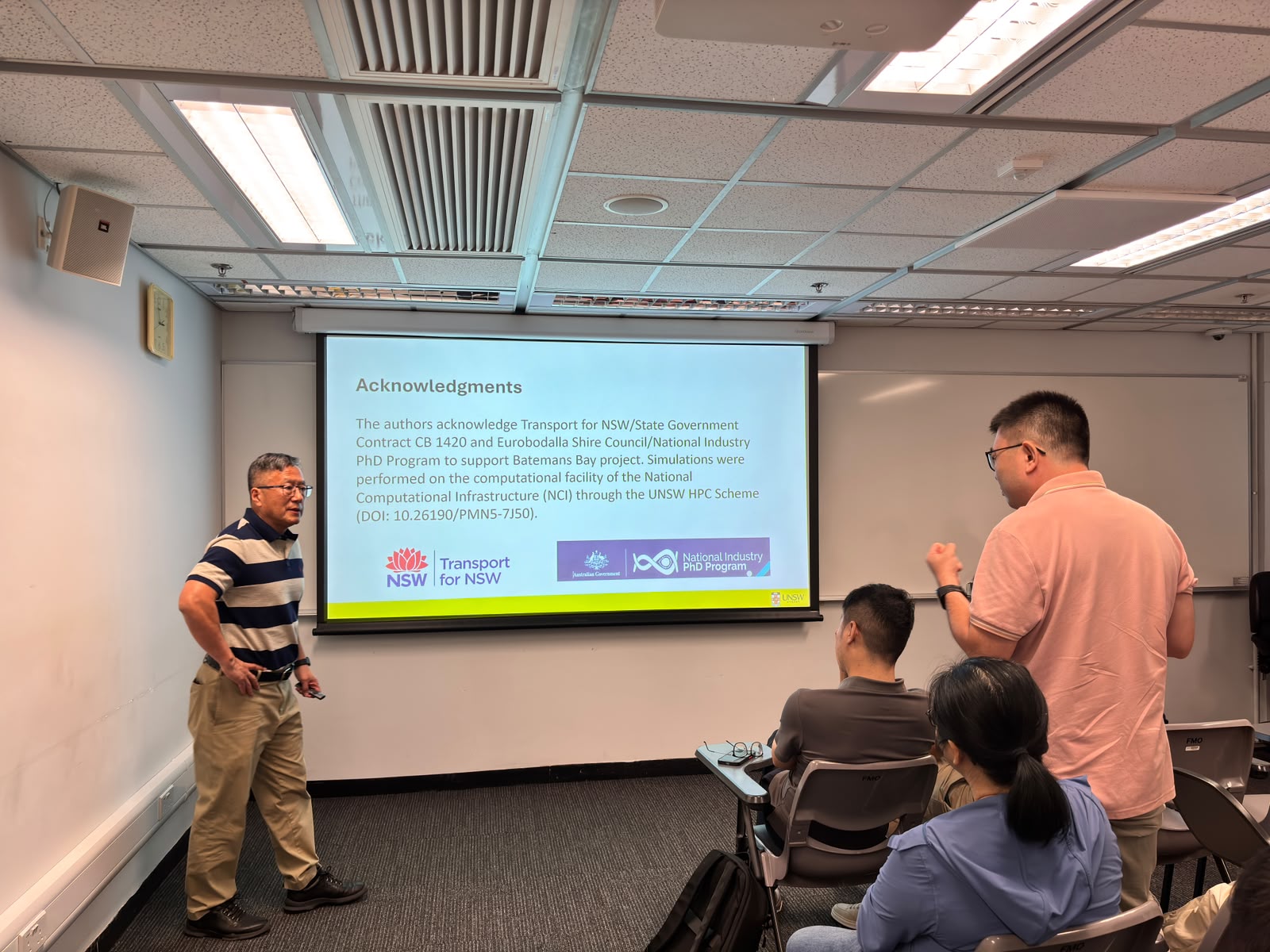
The seminar was joined by AoE members, OCES faculty, researchers, and students, and generated active discussions on coastal dynamics, environmental monitoring, and future research directions. The exchange of ideas sparked inspiration among students and project members, contributing to their academic development and encouraging interdisciplinary thinking in coastal and ocean science.
Through this seminar, Earth-HK continues to foster academic dialogue, strengthen research collaboration, and promote knowledge exchange in Earth system science, ocean dynamics, and sustainable coastal development.